Euro Escort December 3, 2025
The Real Stories Behind Call Girls in London
London doesn’t sleep. Neither do the women who work as independent escorts in the city. You’ll hear stories about luxury apartments in Mayfair, late-night rides in black cabs, and clients who pay £500 an hour. But behind those headlines are real people-mothers, students, artists, immigrants-trying to survive in a city that rarely asks why they’re doing this.
They’re not who you think they are
Most people imagine call girls in London as glamorous, high-end models with designer clothes and private jets. The truth? Many are working single mothers juggling childcare and rent. One woman I spoke with, who asked to be called Leah, worked as a nurse before her son was born. When her partner left and child support stopped, she started taking clients on weekends. She didn’t want to. But £800 a night paid for her son’s school trips, his asthma medication, and the heating bill that kept him alive through winter.
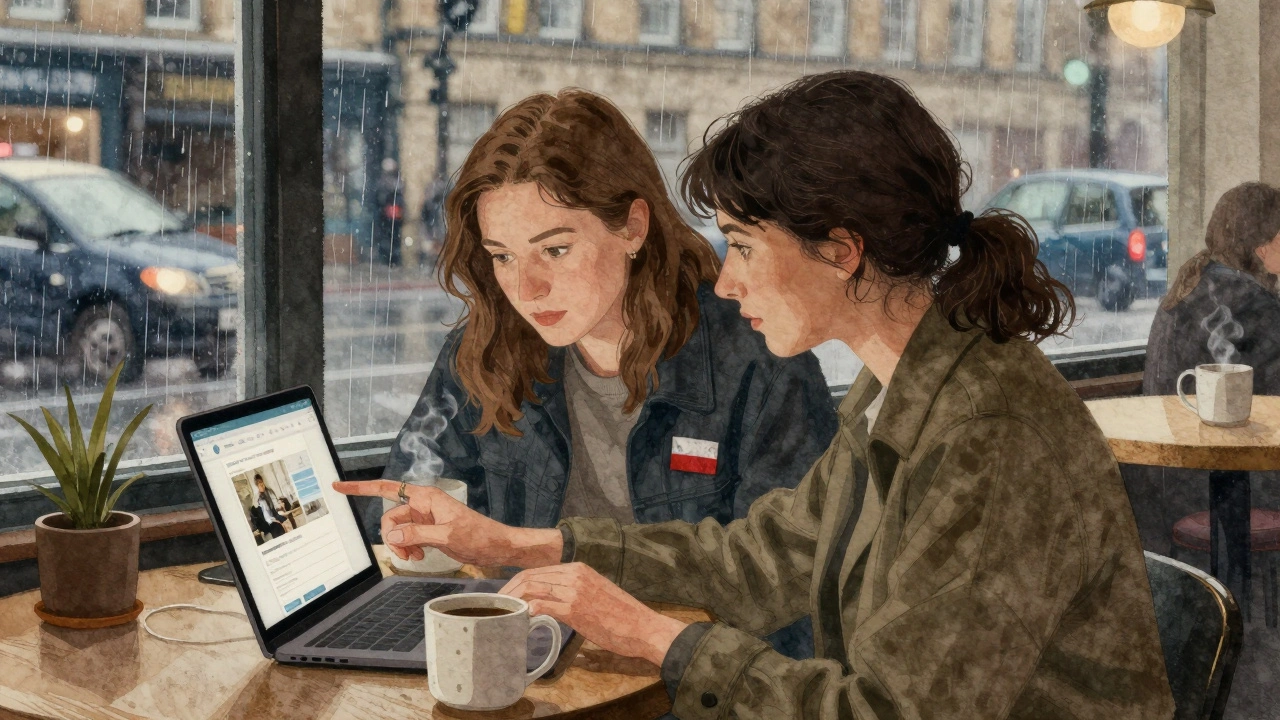
Another woman, Maria, came to London from Poland after her husband died. She had no family here, no work visa, and no English. She found a website that listed independent escorts. She didn’t know how to use it, so she walked into a café near King’s Cross and asked the barista for help. The barista, a former escort herself, taught her how to set rates, screen clients, and say no. Maria now earns more in a week than she did in a month cleaning offices.
These aren’t outliers. A 2023 study by the London School of Economics found that 68% of independent sex workers in the city were the primary earners in their households. Most didn’t choose this path because they wanted to. They chose it because the alternatives were worse.
The system that pushes them into it
London’s cost of living has doubled since 2015. Rent for a one-bedroom flat in Zone 2 now averages £2,300 a month. Minimum wage in 2025 is £12.21 an hour. That’s £2,125 a month before tax if you work full-time. After rent, you’ve got £100 left for food, transport, bills, and emergencies. That’s not a life. That’s a countdown.
Benefits don’t cover it. Universal Credit takes six weeks to start. If you’re evicted, you wait months for housing support. Many women turn to escorting because it’s the only job that pays immediately, without paperwork, without interviews, without waiting.
And it’s not just money. Some women are escaping abuse. Others are fleeing human trafficking rings that promised them jobs as nannies or waitresses. The UK government estimates over 1,500 people are trafficked into sex work each year. Many end up in London. They don’t call themselves call girls. They call themselves survivors.
How they stay safe
Most independent escorts in London don’t work alone. They use online platforms like OnlyFans, Eros, or private Telegram groups to screen clients. They share client names and license plates with each other. They record calls. They have safety words. They meet in public first. They never go to a client’s place without checking the address on Google Street View and telling a friend where they’re going.
One group in Peckham runs a 24/7 hotline for escorts. If a woman feels unsafe, she texts the code ‘Red Apple’ and someone shows up with a car. No questions asked. They’ve rescued women from flats in Camden, from hotel rooms in Wembley, from cars parked near the Thames. They don’t report to police. Most women won’t. They’ve been arrested before-for being in the wrong place, for wearing the wrong clothes, for having a client’s number on their phone.
Police don’t protect them. They arrest them. In 2024, 732 women were charged with soliciting in London. Not the men who paid. Not the websites that hosted ads. The women.
The myths that hurt them
People say escorting is dangerous. It can be. But so is being a delivery driver. So is working night shifts in a hospital. The real danger isn’t the job-it’s the stigma. It’s the landlord who kicks you out when he finds out. It’s the school that calls social services because your child has a new pair of shoes. It’s the family who cuts you off because you’re ‘embarrassing’.
Another myth? That all escorts are controlled by pimps. That’s rare in London. Most are self-employed. They set their own hours. They pick their clients. They keep 100% of what they earn. The only ‘pimp’ is the website that takes a 20% cut. And even that’s better than the 70% some agencies take in other cities.
Then there’s the idea that they’re ‘choosing’ this life. That’s not choice. That’s survival. You don’t choose to sleep in a car because your rent’s overdue. You don’t choose to lie to your child about where you’ve been. You do it because you have no other way to feed them.

What happens when they quit
Leah stopped escorting after three years. She saved enough to enroll in a nursing course. She’s now a qualified mental health nurse at a clinic in Southwark. She still gets calls from old clients. Some send flowers. Others apologize. She doesn’t answer. She doesn’t hate them. She just doesn’t need them anymore.
Maria opened a small Polish food stall in Brixton Market. She sells pierogi and soup. She hires two other women who used to work as escorts. They cook together. They talk. They laugh. They don’t mention the past. But sometimes, when the rain comes down hard, one of them will say, ‘Remember that night in Bayswater?’ And they’ll both smile.
Some women go back to office jobs. Others become counselors. A few start blogs. One woman, who used to work in Chelsea, now runs a nonprofit that helps women leave sex work. She teaches them how to write CVs, how to apply for housing, how to say ‘no’ to men who still think they own her.
Why this matters
London talks about inequality. But it still arrests the women who are most affected by it. It bans ads. It shuts down websites. It criminalizes the people who are already trapped. Meanwhile, the men who pay? They go home to their families. No one asks them where they’ve been. No one calls them names. No one takes their children away.
Real change doesn’t come from more laws. It comes from seeing these women as people-not as criminals, not as victims, not as fantasies. As human beings trying to survive in a system that was never built for them.
If you want to help, don’t call the police. Don’t post about ‘rescuing’ them online. Don’t send money to charities that don’t listen. Instead, ask: Why are they doing this? And what can we do to make sure no one else has to?