Travel February 13, 2026
Paris 5 Arrondissement: What Really Makes This Neighborhood Unique
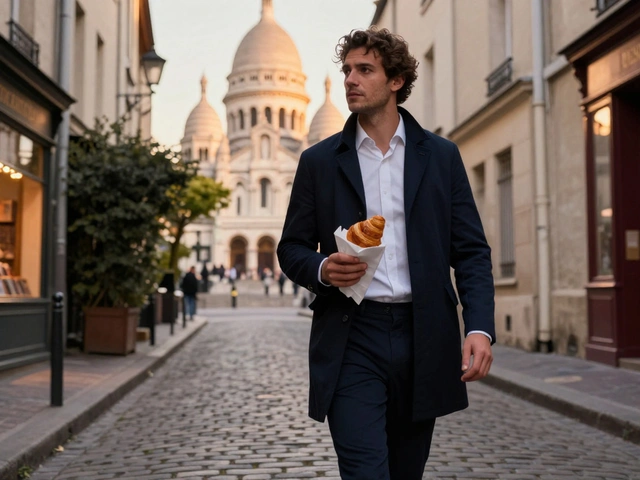
People often hear about Paris 5 Arrondissement and immediately think of romance, history, or maybe even something else entirely. But if you’ve ever walked its narrow streets, smelled the fresh bread from a corner boulangerie, or sat in a café watching students debate philosophy, you know this isn’t just another tourist spot. The 5th arrondissement - also known as the Latin Quarter - is where Paris breathes its oldest, quietest, and most authentic self.
History That Walks With You
This isn’t a district built for photos. It’s a place where history still lives in the pavement. The Sorbonne University, founded in 1257, still educates thousands of students here. You can’t miss its stone façade near Rue de la Sorbonne. Walk a few steps further, and you’re standing where medieval scholars once argued theology in Latin - hence the name "Latin Quarter."
There’s no plaque that says "this is where Descartes wrote his first thoughts," but if you sit on a bench near Place Maubert, you’ll feel it. The air here carries centuries of ideas. The cafés still serve espresso the same way they did in the 1920s. The same bookshops that once sold Sartre’s manuscripts still sit tucked between pharmacies and florists.
The Real Market Life
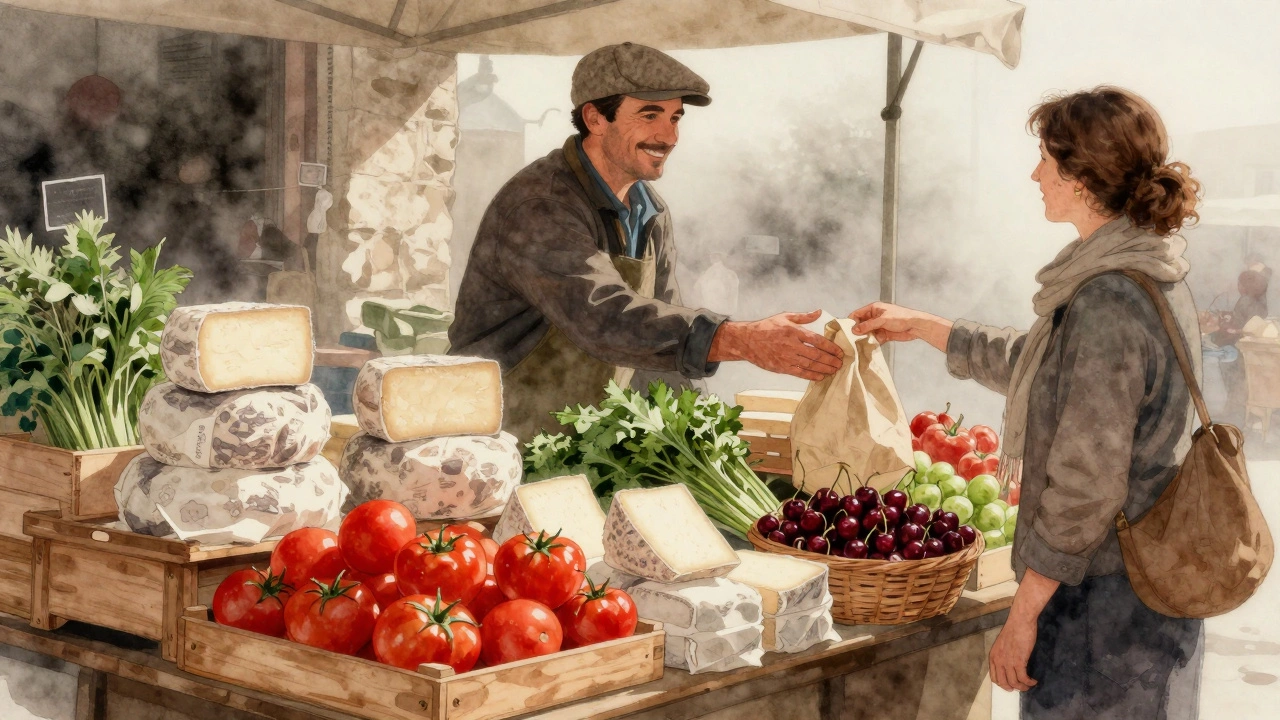
Forget the polished boutiques of Saint-Germain. The 5th arrondissement has markets that still feel alive. Every morning, the Marché Monge opens its stalls along Rue Monge. You’ll find ripe tomatoes from Provence, artisanal goat cheese, and fresh herbs that smell like summer even in February. The vendors don’t speak English. They don’t need to. You point, they smile, and hand you a bag of cherries for €3.50.
On Sundays, the Marché des Écoles comes alive. It’s smaller, quieter, and far more personal. Local farmers sell honey from their hives. A woman in her 70s sells lavender soap she makes by hand. You won’t find a single chain store here. No Starbucks. No Zara. Just real things, made by real people.
Where Paris Studied, Thought, and Fell in Love
The Panthéon looms at the top of the hill like a temple to knowledge. Inside, the tombs of Voltaire, Rousseau, and Marie Curie rest under a dome that lets in light like a cathedral. You can’t help but feel small here - not because of the grandeur, but because of what these people built with their minds.
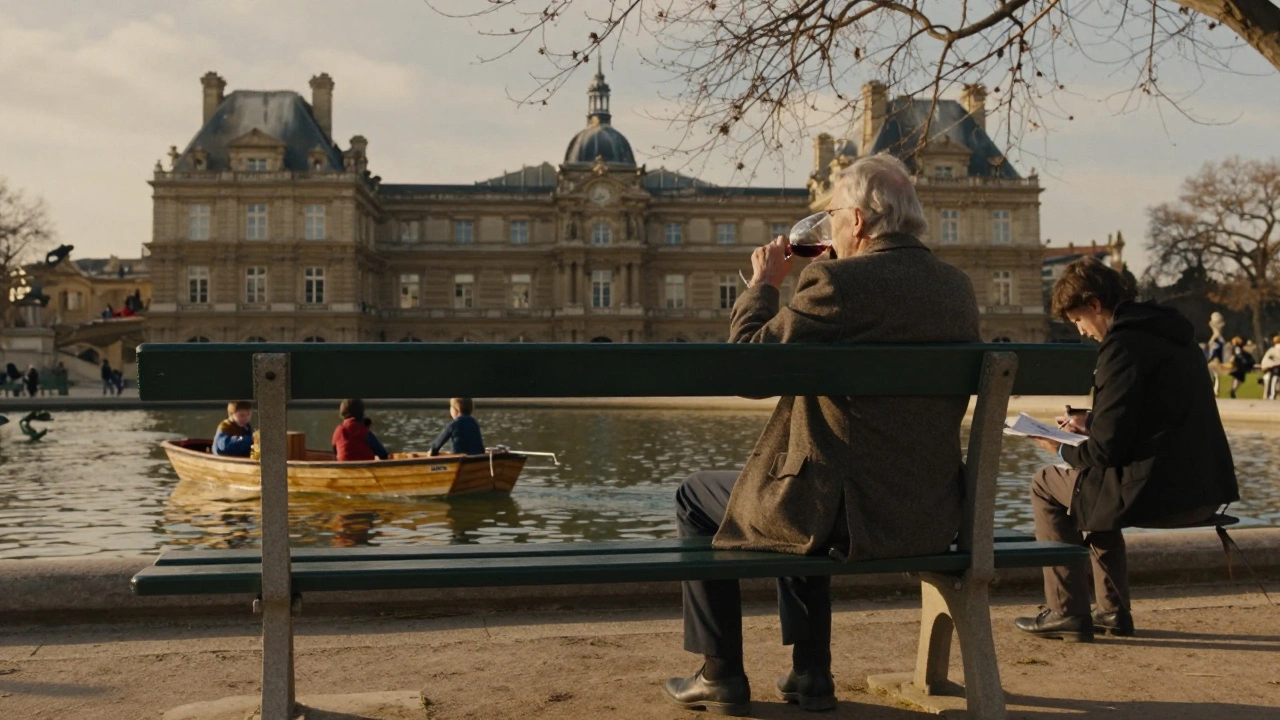
Just down the street, the Jardin du Luxembourg feels like a secret. Locals nap on the green benches. Children sail tiny boats in the pond. Artists sketch portraits for €10. You can rent a chair for €1.50 and sit for hours watching the light shift over the trees. No one rushes. No one takes photos for Instagram. They just… are.
The Food That Doesn’t Try to Impress
There’s a tiny restaurant on Rue Mouffetard called L’Atelier du Pain. It’s been open since 1983. No menu. No English. Just a chalkboard with today’s dishes: rabbit stew, lentils with smoked bacon, a slice of tarte Tatin. You sit at the counter. The chef nods. You point at what looks good. He serves it. You pay €18. It’s the best meal you’ve had in months.
Try the crêpes at Crêperie Saint-Germain. They’re not fancy. No truffle oil. No edible flowers. Just butter, sugar, and a perfect golden crust. You eat them standing up, holding the paper cone, while an old man plays accordion nearby. It’s not a tourist experience. It’s a life experience.
Why This Place Doesn’t Need to Be Glamorous
The 5th arrondissement doesn’t sell itself. It doesn’t need to. It’s not trying to be Instagrammable. It’s not trying to be luxury. It’s trying to be real.
You won’t find private tours here. You won’t find VIP access. You won’t find anyone selling "exclusive experiences." What you will find is a student reading Camus on a bench. A grandmother buying bread for her grandson. A group of friends arguing about Nietzsche in a café that’s been around since 1897.
This is the Paris that stays with you. Not because it’s beautiful in a postcard way. But because it’s alive. It doesn’t perform. It simply exists.
What to Do When You Visit
- Walk from the Panthéon to Place Monge - it’s the most honest stretch of Paris you’ll ever walk.
- Stop at the bookshop Shakespeare and Company - yes, it’s famous, but it’s still magical. Read a poem in the back corner.
- Try the clafoutis at a local patisserie. It’s a simple baked custard with cherries. No one makes it better than here.
- Visit the Musée Cluny in the afternoon. It’s quiet. The medieval tapestries are breathtaking. You’ll have the whole room to yourself.
- Drink a glass of wine at a bar on Rue de la Huchette. No music. No lights. Just the sound of French being spoken slowly.
When to Go
Spring and fall are perfect. The weather is mild. The crowds are thin. You can sit outside without shivering or sweating. Summer? It’s hot. Winter? It’s cold. But even then, the 5th arrondissement doesn’t change. It just waits.
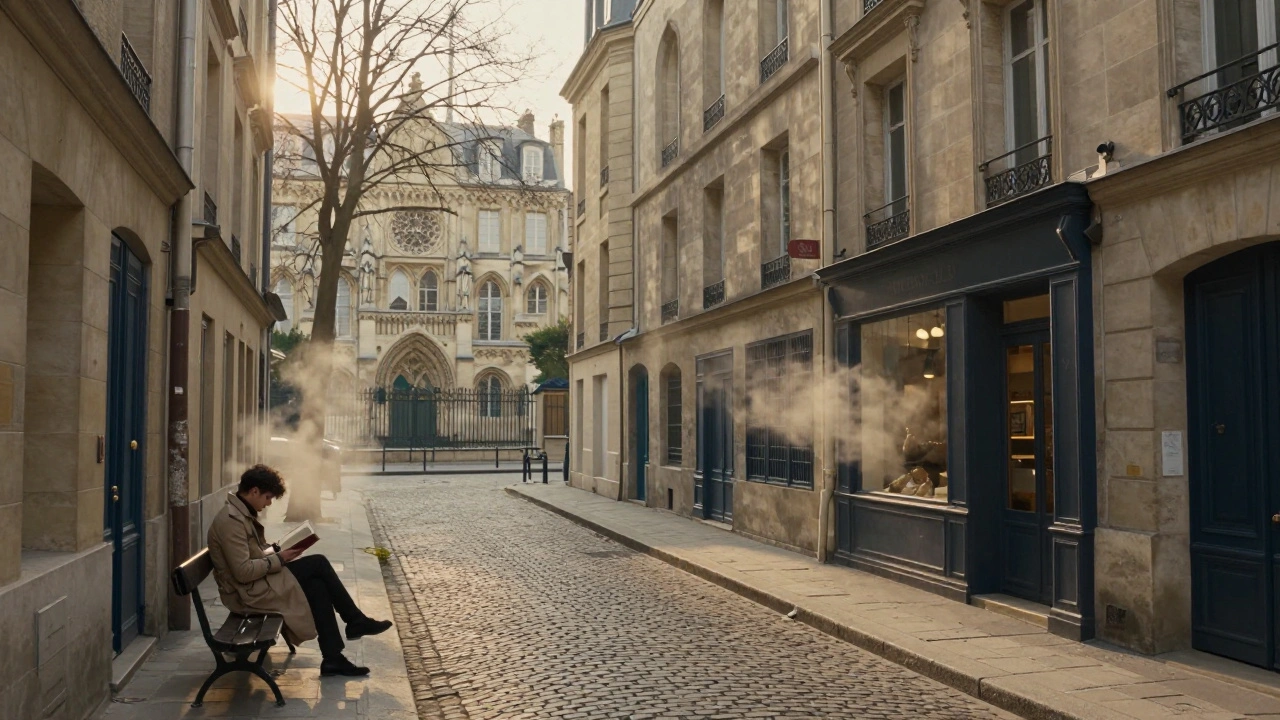
If you come in February, like now, you’ll see the first signs of spring. The trees are bare, but the bakeries are warm. The streets are quiet. The locals move slowly. And if you listen closely, you’ll hear Paris breathing.
Is the 5th arrondissement safe for tourists?
Yes, it’s one of the safest areas in Paris. It’s residential, well-lit, and patrolled by police. Like any city, be aware of pickpockets in crowded spots like the Metro or markets, but violent crime is extremely rare here. Locals walk alone at night without worry.
Can I visit the Sorbonne as a tourist?
You can walk through the courtyard and admire the architecture, but most of the buildings are active university campuses. You won’t get a guided tour unless you’re enrolled. The real beauty is in wandering the streets around it - the cafés, the bookshops, the old lecture halls with cracked stone steps.
Is Shakespeare and Company really worth visiting?
It’s not just a bookstore. It’s a living archive. Since 1951, it’s hosted writers like James Joyce, Ernest Hemingway, and Sylvia Beach. Today, it still gives free books to travelers who leave a note about their journey. The upstairs reading room has over 10,000 books. You can sit and read for hours. No pressure. No charge.
What’s the best way to get around the 5th arrondissement?
Walk. Seriously. The streets are narrow, the alleys are charming, and everything is within 20 minutes of each other. If you need to go farther, the Metro stations - Cardinal Lemoine, Maubert-Mutualité, and Censier-Daubenton - are clean, quiet, and reliable. Buses are slow here. Bikes? Possible, but the cobblestones make it rough.
Are there any hidden gems most tourists miss?
The Musée de la Magie on Rue Saint-Paul is one. It’s a tiny museum of antique magic tricks, illusions, and vintage posters. It costs €6.50. You’ll be the only one there. Also, check out the Roman baths under the Cluny Museum - they’re ancient, well-preserved, and almost never crowded. And don’t skip the Rue de la Huchette at sunset. The light on the old stone walls turns gold. No one takes pictures. But everyone remembers it.