
Adult Services January 31, 2026
How to Safely Book an Escort in West London
Booking an escort in West London isn’t about finding the first result on a search engine. It’s about making smart, safe choices in a space where risks are real and consequences can be serious. If you’re considering this, you’re not alone-but you need to know how to protect yourself, your privacy, and your peace of mind.
Understand the Legal Landscape
In the UK, prostitution itself isn’t illegal, but many related activities are. Soliciting in a public place, kerb crawling, running a brothel, or pimping are all criminal offenses. That means any escort service operating openly as a business-especially one advertising "booking" or "appointment"-is technically breaking the law. This isn’t a loophole. It’s a red flag.
If a service claims to be "legal" because they offer "companion services," they’re using language to avoid scrutiny. The law doesn’t distinguish between sex work and companionship when it comes to organized operations. Be wary of any agency that sounds too polished, too professional, or too confident in its legality. Real professionals operate quietly, not with glossy websites and Instagram ads.
Use Trusted Platforms, Not Random Ads
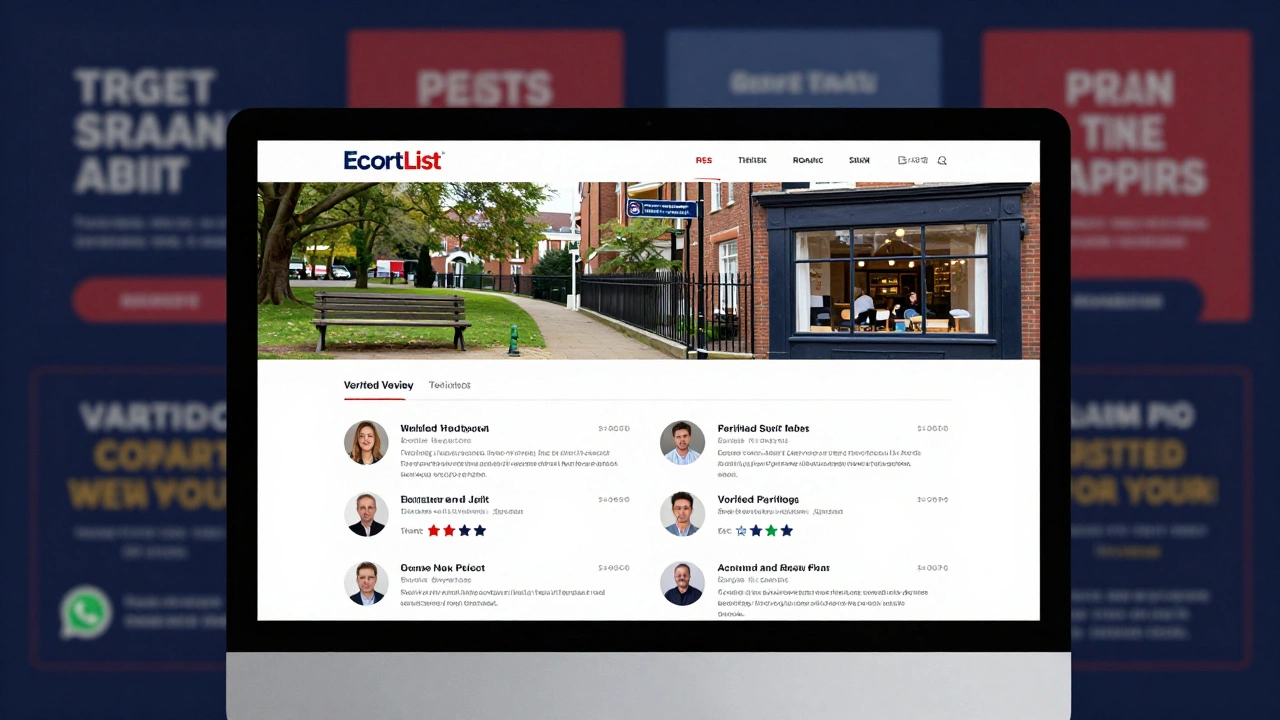
There are no official directories for escort services in the UK. That’s intentional. But some platforms have built reputations over years-not because they’re legal, but because they’ve maintained standards. Sites like Arrive and EscortList have been around since the early 2000s. They don’t guarantee safety, but they do allow reviews, verified profiles, and user feedback.
Avoid Facebook groups, WhatsApp numbers passed by friends, or ads on Craigslist-style sites. These are breeding grounds for scams and predators. Legitimate escorts rarely post on unmoderated forums. If someone sends you a link to a private Telegram channel or asks you to pay via cryptocurrency before meeting, walk away. That’s not discretion-that’s danger.
Verify Identity Before You Meet
Always ask for at least two recent, unedited photos of the person you’re meeting. Not just selfies. Not just studio shots. Real photos taken in natural light, preferably with a recognizable background-a local café, a park bench in Kensington, a street sign you can Google. If they refuse or send blurry images, that’s not modesty. It’s evasion.
Ask for their legal name. Not a stage name. A real first and last name. Then do a quick search: check LinkedIn, Facebook, or even a public records site like PeopleFinders. You won’t find everything, but if you find nothing at all-not even a trace-it’s a warning. Most people who’ve been doing this for more than a year have some digital footprint. Someone completely invisible is either lying or hiding something.
Meet in a Public Place First
Never go straight to a private location. Always arrange a first meeting in a public, well-lit, busy area. A hotel lobby, a quiet café in Notting Hill, or the bar of a reputable hotel like The Goring or The Berkeley. This isn’t about romance-it’s about safety.
Let someone you trust know where you’re going, who you’re meeting, and what time you expect to return. Use a fake name if you need to, but give them a description, a photo, and the location. If you don’t check in by a set time, they should call the police. This isn’t paranoia. It’s common sense.
Pay Only After the Service
Never pay upfront. Not even a deposit. Not even if they claim it’s "policy." Reputable escorts know you have the right to verify the service before paying. Cash is preferred, but if they insist on bank transfer or digital payment, ask for a receipt with their full name and address. If they refuse, it’s a red flag.
Some escorts work through agencies that handle payments. If that’s the case, make sure the agency is the one you originally contacted-not a third party that appeared after you sent a message. Scammers often create fake agency websites that look real. Check the domain age using Whois. If it was registered last week, it’s a trap.
Know Your Boundaries-and Enforce Them
Before you meet, be clear about what you want and what you won’t accept. Say it out loud. Don’t assume they’ll guess. If you’re uncomfortable with anything-kissing, oral, unprotected sex, roleplay-say so. A professional escort will respect that. If they pressure you, try to change the terms at the last minute, or act offended when you set limits, leave immediately.
There’s no shame in walking away. No one is entitled to your body, your money, or your trust. If something feels off, even if you can’t put your finger on it, trust that feeling. Your gut is your best security system.

Protect Your Privacy
Don’t use your real name, phone number, or email. Use a burner email like ProtonMail or Tutanota. Don’t give your home address. Don’t post photos together. Don’t mention the meeting on social media-even in vague terms. Escorts who’ve been doing this for years know how to protect themselves. You need to protect yourself just as hard.
If you’re using a ride-share app, don’t let the driver know where you’re going. Say you’re meeting a friend. Don’t use your real name when booking. Use a fake name, even if it’s silly. It’s not about being sneaky-it’s about staying safe.
Watch for Common Scams
Here are the most common traps:
- "The Overcharge":" They say the price is £200, then claim you owe £500 for "extras." Never agree to changes on the spot. Get everything in writing before you meet.
- "The Fake Booking":" They send you a photo of a woman, but show up as a man-or a completely different person. Always confirm appearance and identity before entering a private space.
- "The Robbery":" They invite you to a flat, then someone else enters and demands your wallet. Never go alone to an unknown location. Always meet in public first.
- "The Blackmail Threat":" They record you, then threaten to send the video to your employer or family. If you’re being recorded without consent, that’s a crime. Report it to the police immediately.
If you’re scammed, don’t pay. Don’t argue. Don’t threaten. Leave. Then report the incident to the National Ugly Mugs scheme (NUM), which helps sex workers and clients report dangerous individuals. You’re not alone, and you’re not to blame.
Why This Matters More Than You Think
People assume booking an escort is a private, harmless transaction. But in West London-where wealth, anonymity, and high foot traffic collide-it’s one of the most high-risk environments for exploitation. The same streets where you find luxury boutiques in Knightsbridge are also where predators operate under the guise of "companion services."
There’s no perfect system. But there are smart ways to reduce risk. The goal isn’t to find the cheapest or the most attractive. It’s to find someone who respects boundaries, operates with transparency, and doesn’t put you in danger.
If you feel pressured, confused, or unsafe at any point-stop. Walk away. You don’t owe anyone your time, your money, or your peace of mind.
Is it legal to book an escort in West London?
It’s not illegal to pay for companionship, but advertising, soliciting, or running an agency that arranges meetings is against the law. Any service claiming to be "fully legal" is misleading. The law targets organized activity, not individual transactions-but that doesn’t mean you’re safe from risk.
How do I know if an escort is real and not a scam?
Look for consistent, verifiable details: real photos taken in public places, a name you can partially trace online, reviews from multiple users on trusted platforms, and no pressure to pay upfront. If they avoid video calls, refuse to share basic info, or rush you into a meeting, they’re not legitimate.
Should I use an agency or book directly?
Booking directly with an individual reduces your risk. Agencies often take a large cut, push you toward risky situations, and may not screen workers properly. Independent escorts who’ve been working for years tend to be more cautious, more professional, and more invested in their reputation.
What should I do if I feel unsafe during a meeting?
Leave immediately. Don’t argue, don’t try to negotiate. Get to a public place, call someone you trust, and report the incident to the National Ugly Mugs scheme. Your safety matters more than any payment or promise.
Can I get in trouble with the police for booking an escort?
Police rarely target clients unless there’s evidence of trafficking, coercion, or public solicitation. But if you’re caught in a sting operation or reported by someone, you could be questioned. The best protection is to avoid public solicitation, never use fake IDs, and never engage in illegal behavior like paying for sex in a brothel.