Euro Escort March 13, 2026
How an Escort Louvre Can Make Your Museum Visit Unforgettable
Most people visit the Louvre with a map, a camera, and a growing sense of overwhelm. You walk past the Escalier Daru, jostle for selfies with the Mona Lisa, then spend twenty minutes staring at a statue you can’t name. By hour two, you’re tired, confused, and wondering why you paid so much just to feel lost. What if you could skip the chaos and actually feel the art? That’s where an escort Louvre changes everything.
It’s Not What You Think
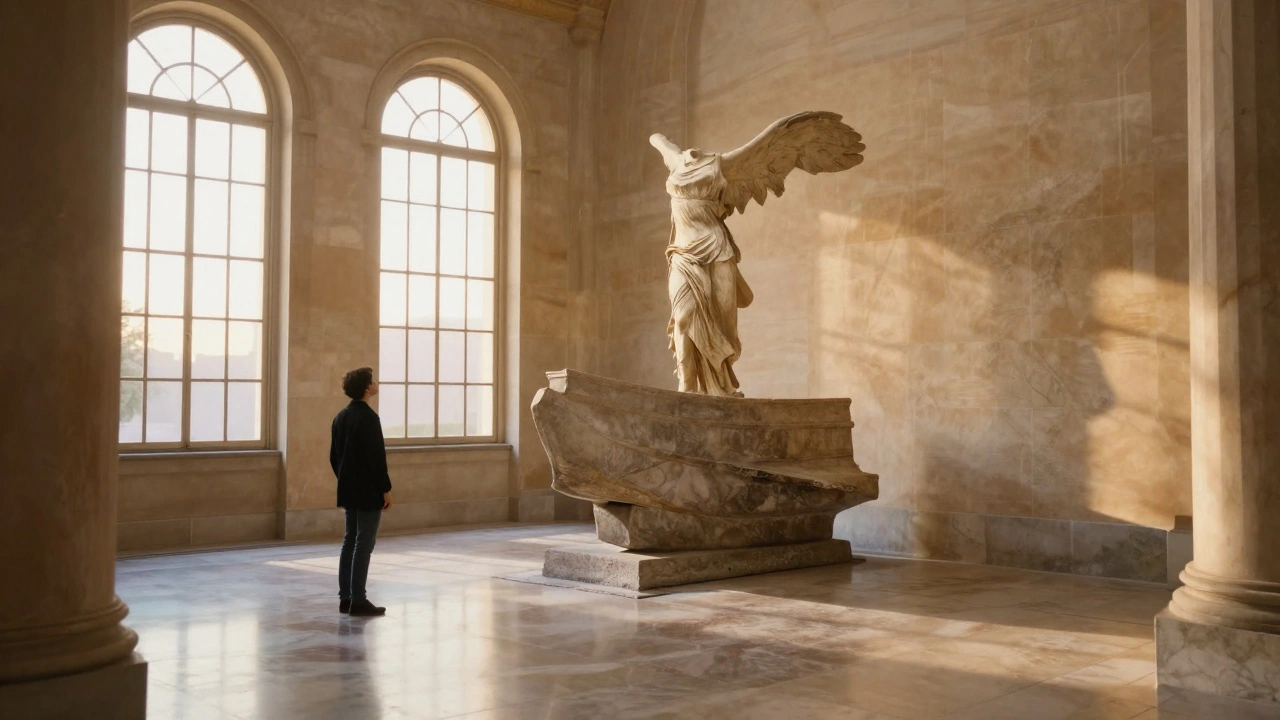
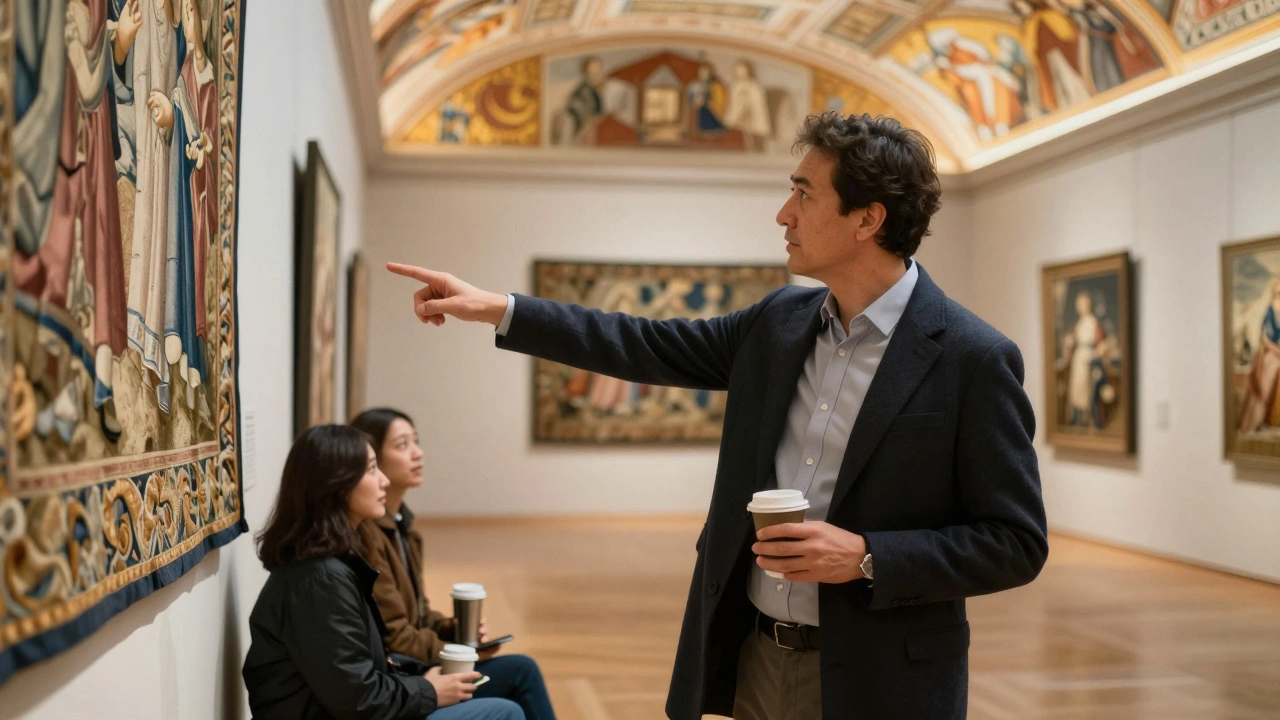
An escort Louvre isn’t about romance or nightlife. It’s about access, context, and flow. Think of it as a personal curator who walks with you-someone who knows where the crowds thin out, which galleries open early, and which hidden corners hold masterpieces no guidebook mentions. These professionals aren’t just hired companions; they’re trained in art history, museum logistics, and crowd psychology. Many have worked with private collectors, university departments, or even film crews shooting in the Louvre. They know the building like a second home.In 2024, the Louvre welcomed over 8.7 million visitors. That’s about 24,000 people a day. Most stick to the main arteries: the Winged Victory of Samothrace, the Venus de Milo, and the Mona Lisa room. But the real treasures? They’re tucked away. The Egyptian antiquities on the second floor. The Islamic art wing with its mosaic-covered ceiling. The French Renaissance tapestries nobody bothers to see. An escort Louvre gets you there without waiting in line, without getting shoved, without missing the story behind the sculpture.
How It Actually Works
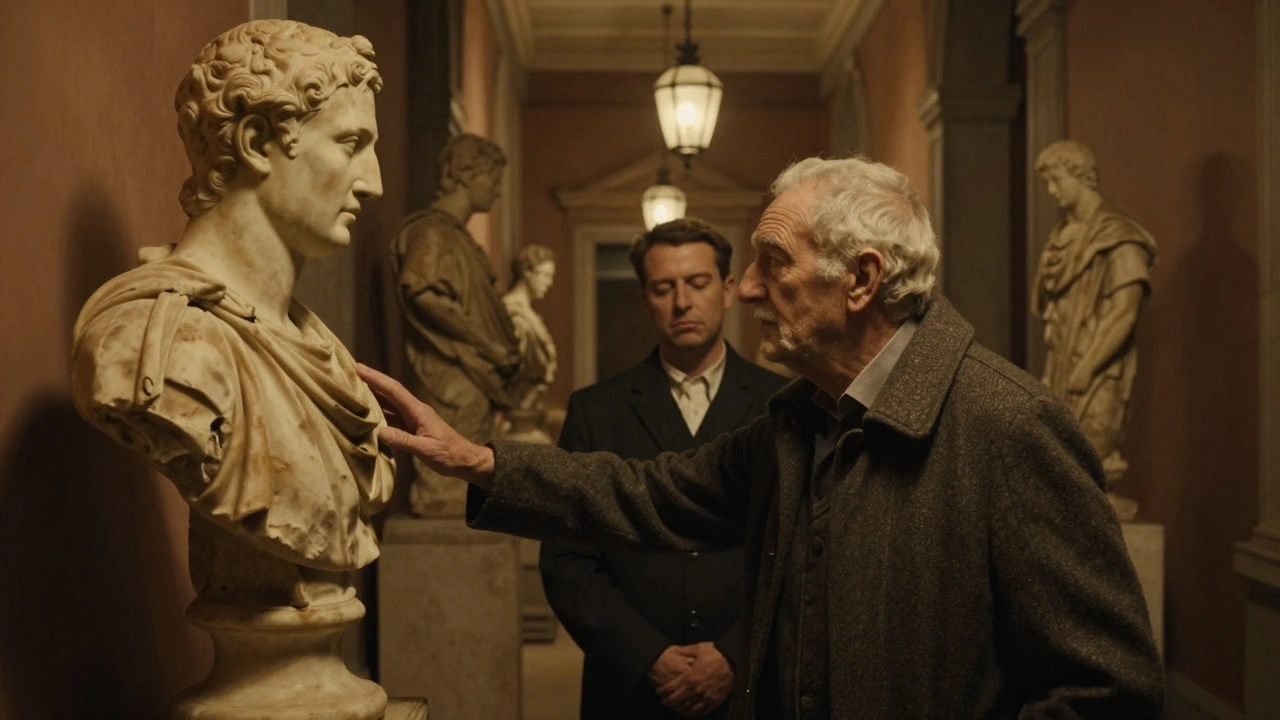
You don’t just show up and say, “Take me to the art.” A good escort Louvre service starts with a 15-minute pre-visit chat. They ask: What excites you? History? Mythology? Architecture? Do you want depth, or just a quick highlight reel? Based on that, they design a route. No two tours are alike.One client, a retired professor from Berlin, wanted to trace the evolution of portraiture from ancient Egypt to 18th-century France. His escort started with a small Roman bust in the Denon wing, then led him through a quiet corridor to a rarely visited French portrait gallery, ending at a 1760s painting of Marie Antoinette with her children-something even most Parisians don’t know exists. The whole tour took three hours. He later sent a thank-you note saying it was the most meaningful day he’d had in 30 years of traveling.
Another client, a couple from Tokyo, didn’t want to see anything famous. They just wanted peace. Their escort took them to the Grande Galerie at 8:30 a.m., before the doors officially opened to the public. The only sounds were footsteps on marble and the occasional echo of a cleaning cart. They sat on a bench near the window, sipping coffee from a thermos, and watched the morning light hit the ceiling frescoes. No crowds. No noise. Just art, silence, and the feeling that they had the world’s most famous museum all to themselves.
Why This Isn’t Just a Fancy Taxi Service
Regular audio guides tell you what something is. An escort Louvre tells you why it matters.For example, when you stand in front of the Code of Hammurabi, a standard guide might say: “This is one of the earliest known legal codes.” An escort Louvre might say: “This stone tablet was found in Susa, Iran, not Mesopotamia. It was stolen by the Elamites after they sacked Babylon in 1150 BCE. The French excavated it in 1901. It’s here because of colonial archaeology-and that’s why it’s still controversial.” Suddenly, it’s not just a relic. It’s a story about power, theft, and memory.
They also know the museum’s hidden rhythms. The Egyptian wing gets packed at 11 a.m. because tour buses drop off then. The Islamic art section is empty between 2 and 4 p.m. The Mona Lisa room clears out after 5 p.m. on weekdays. An escort Louvre uses this timing like a chess player-moving you through the space to avoid bottlenecks and catch the quiet moments.
What You Get Beyond the Art
It’s not just about seeing more. It’s about feeling more.You’ll get:
- Priority access: Skip the ticket line. No need to book months ahead.
- Personalized pacing: Rest when you need to. Spend ten minutes on one painting if you want.
- Behind-the-scenes insights: Where restorers work. Where the original Mona Lisa was kept during WWII. Which room has the best natural light.
- Context you won’t find online: Why Napoleon collected so much art. How the Louvre went from royal palace to public museum.
- Emotional resonance: Someone who notices when you linger too long in front of a piece-and quietly says, “That one changed how I saw grief.”
One woman from Melbourne told her escort she was visiting the Louvre for the first time after her mother’s death. Her mother had loved the Liberty Leading the People. The escort didn’t rush her. They sat on a bench nearby. The escort shared how Delacroix painted that piece after the July Revolution of 1830-not as a political statement, but as a cry for dignity. The woman cried quietly. She didn’t ask for a photo. She just whispered, “Thank you for understanding.”
Who Uses This Service?
It’s not just for the wealthy. It’s for people who care.Students from Stanford come with their professors. Couples on their anniversary. Retirees who’ve saved for decades to see Paris. Solo travelers who want to feel safe and seen. Journalists researching art theft. Even museum staff from other cities who want to study the Louvre’s layout without the crowds.
The price? Around €350 for a 3-hour private tour. That’s less than a luxury hotel breakfast in Paris. But the value? It’s immeasurable. You’re not paying for a person. You’re paying for clarity, connection, and time.
The Real Difference
Most museum visits feel like checking boxes. An escort Louvre turns it into a conversation.You don’t leave with a hundred photos. You leave with one moment that stuck. The way the light hit the gold leaf on a 13th-century altar. The silence between two people when they both realized the same thing about a painting. The feeling that you didn’t just see art-you understood it.
The Louvre isn’t just a building with paintings. It’s a library of human emotion, written in stone, canvas, and bronze. An escort Louvre doesn’t just show you the pages. They help you read them.